
City Line Florist, Inc. Thanks to you & Generations Past, we are celebrating our 90th year!
(800) 719-7673 | 203-378-7375
Member AreaOrder TrackingLogin

HomeTESTIMONIALSFlower/Plant InfoCompanyLucky Stems®Customer Service

   Winter Weather & Delivery   
   Holiday Fun Photo Contest   
   Community Give Back Program   
   Christmas History and Traditions   
   Media   
   Win $5,000. Cash   
   Wedding   
   Dramaticflowers.com   
   Policies & Procedure   
   Refer a friend   
   News stories   
 
Register and Save!

WHAT'S HOT
Christmas 2008
Holiday Cookies
Holiday Plants Direct
Fruit -Grower Direct
Holiday Gourmet
Hanukkah

CATEGORIES
Funeral Baskets
Funeral Friends
Funeral Family
Funeral Sprays
Funeral-Custom
Sympathy to Home
Sympathy plant
- Gourmet Meals
Gourmet Baskets
Alaskan Salmon
Get Well Ideas
Birthday flowers/gifts
Fruit Baskets
Dramatic Flowers
Floral Arrangements
Green Plants
Shipped Flowers
Plant Baskets
New Baby Gifts
New Baby Flowers
Novelty Plants Direct
Orchid Plants
Roses
Top Sellers
Local Specials

MORE IDEAS
European Desserts
Cakes
Cakes Sugar Free
Cheesecakes
Cookies
$55.95 Delivered
Murano Art Glass
Spa Baskets
Sebastian Miniatures

PICK YOUR PRICE Site Navigation
Company
Weddings
Gift Cards
Refer a Friend
eCards
Community Give Back
Flower/Plant Info
Contact Us

Learn More About Reward Points


WEDDINGS

: WEDDING TRIVIA

  Weddings
Traditions
Styles
Arrow Trivia
Tips
Checklist
Gallery
Request an Appointment
Links


A ring with a pair of clasped hands is one of the oldest symbols of "plighted troth."


In 1895, a single color -- pink -- was fashionable for spring weddings. In 1900, yellow was the color most often selected.


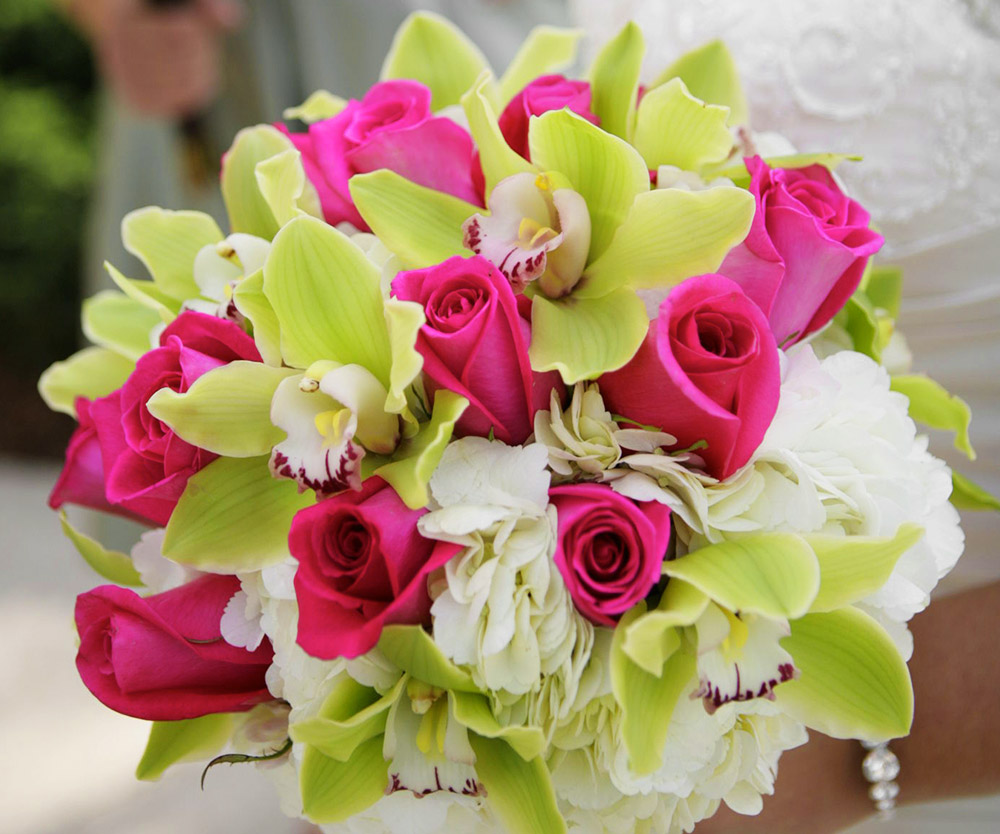
There should be at least three knots in the ribbons of a bridal bouquet, to represent husband, wife and child.


Yellow was the favorite color for a bride's dress during the eighteenth century, and it was usually made of a heavy brocade.


In horse and carriage days, knotted favors of ribbon decorated the ears of the horses which drew the bridal carriage.


The original function of the tissue paper, which is enclosed in a formal wedding invitation, was to blot the ink. Nowadays, it's simply added for the "look," or the "fun" of it.


Brides began wearing white for weddings as early as the sixteenth century; wearing white was a reflection of family wealth. Only the wealthy could afford a garment that would soil so easily, and be worn on only one day.


Many societies frowned on the use of yellow for a wedding gown, as they believed it was a sure sign of a wife's intention to cheat on her husband.


An old German superstition held that pearls signified tears for the bride.


In earlier years, brides placed their bouquets at grave sites in the cemetery, in remembrance of family members who had "passed on."


During the time of the Roman Empire, couples were not officially married until they had eaten together. Perhaps this was the beginning of the wedding reception tradition.


Diamonds were not popular for engagement rings until the nineteenth century, when the exploitation of South American diamond deposits made it relatively inexpensive.


The ring on a posy holder is there to slip on a woman's finger.


Give Us Your Thoughts

Bookmark Site Affiliate ProgramDisclaimerUseful LinksWedding LinksSite Map
©2008 City Line Florist, Inc.. All rights reserved.

Trumbull Florist Shop